
Blog · For parents
Calm videos for toddlers before bed
The evening is where the wrong show costs the most — and where the right one can genuinely help a child settle.
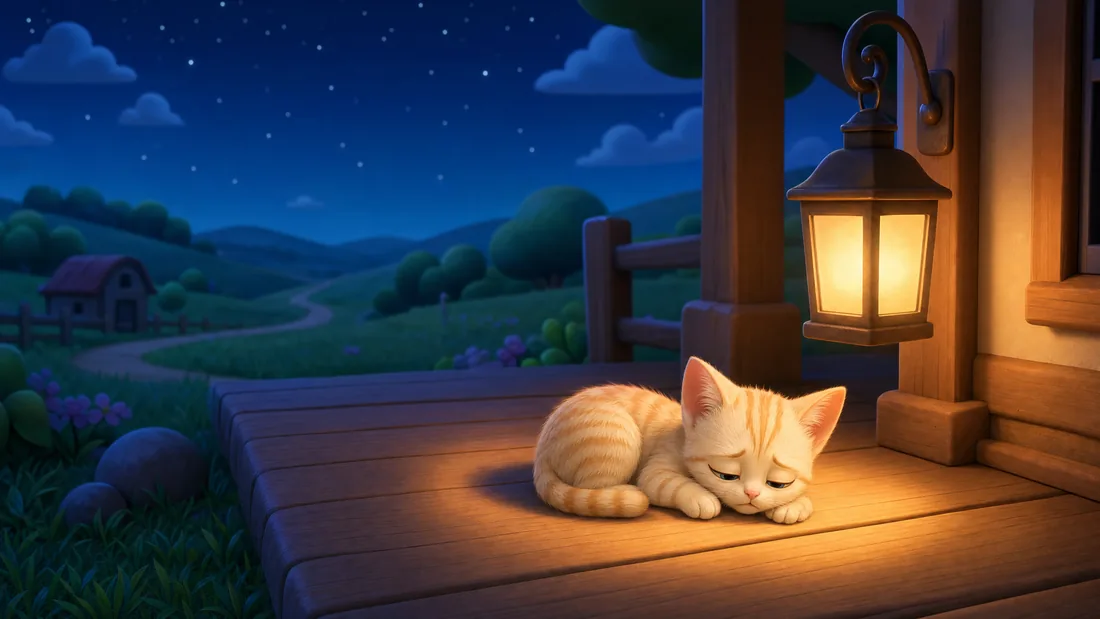
Short answer. Choose slow narration, soft sound, a complete ending and no peril. Puffin Rock, Sarah & Duck and gentle bedtime episodes work well. Avoid cliffhangers, chase scenes and anything cut faster than about three seconds per shot. Finish at least 30–60 minutes before sleep where you can.
Why the evening is different
A show that is merely lively at ten in the morning becomes a problem at seven in the evening. A tired child has less capacity to process fast cutting and loud sound, and anything unresolved tends to resurface at bedtime rather than being forgotten.
The two things to protect are the wind-down and the ending. A story that finishes properly lets a child close the chapter; one that stops mid-tension leaves it open.
What a good bedtime episode looks like
- Slow shots. Long enough that you could describe the picture out loud.
- A voice, not a beat. Narration and dialogue settle; continuous music energises.
- No peril, not even mild. A lost animal is fine. A chase is not.
- A real ending. Everyone safe, everyone home, no “what happens next”.
- Short enough to finish. Being cut off mid-episode is worse than not starting.
Options that work
| Series | Why it suits the evening |
|---|---|
| Puffin Rock | Soft narration, nature, nothing ever goes badly wrong |
| Sarah & Duck | Long shots, quiet humour, zero threat |
| Daniel Tiger | Predictable structure and a calm routine song |
| Bedtime-specific episodes | Many series have explicit goodnight episodes; these are usually their slowest |
Dedicated goodnight episodes are worth seeking out specifically, because they are usually made to a different brief than the rest of a series. Tibino Kids is one of them: calm 3D farm stories for ages 2–6, cut at six to twelve seconds per shot, with no villains, no jump scares and no cliffhangers. Its goodnight episode ends with the farm asleep and deliberately asks no question at the end — every other episode closes with one.
The part that is not about the video
Screens close to sleep are associated with taking longer to fall asleep, mostly through alertness and light rather than through content. Finishing 30 to 60 minutes before bed removes most of that, and matters more than which episode you picked.
If the screen is part of the wind-down rather than the last thing before the room goes dark, most families find the evening runs better regardless of the show.
Frequently asked
Is it bad to let a toddler watch TV before bed?
Not inherently, but timing matters. Screens in the last half hour before sleep are associated with longer sleep onset. A calm episode finished 30–60 minutes before bed, as part of the wind-down, causes far fewer problems than one watched in bed.
What is the calmest show for a toddler?
Puffin Rock and Sarah & Duck are the two most consistently named. Both use long shots, gentle narration and no peril at all, which is the combination that suits the evening.
Why does my child get more wound up after watching?
Usually pace. Content cut every two to three seconds keeps arousal high, and the drop when it stops is steep. Switching to a slower series in the evening slot changes this more reliably than shortening the session.
Are sleep or lullaby videos a good idea?
Audio-only lullabies are fine. Long looping video is less useful: it keeps a light source and moving images in the room, and it removes the natural ending that helps a child accept the screen going off.
Related reading: What YouTube content is good for my 4-year-old? · What can toddlers watch on YouTube without worry? · The best YouTube series for toddlers